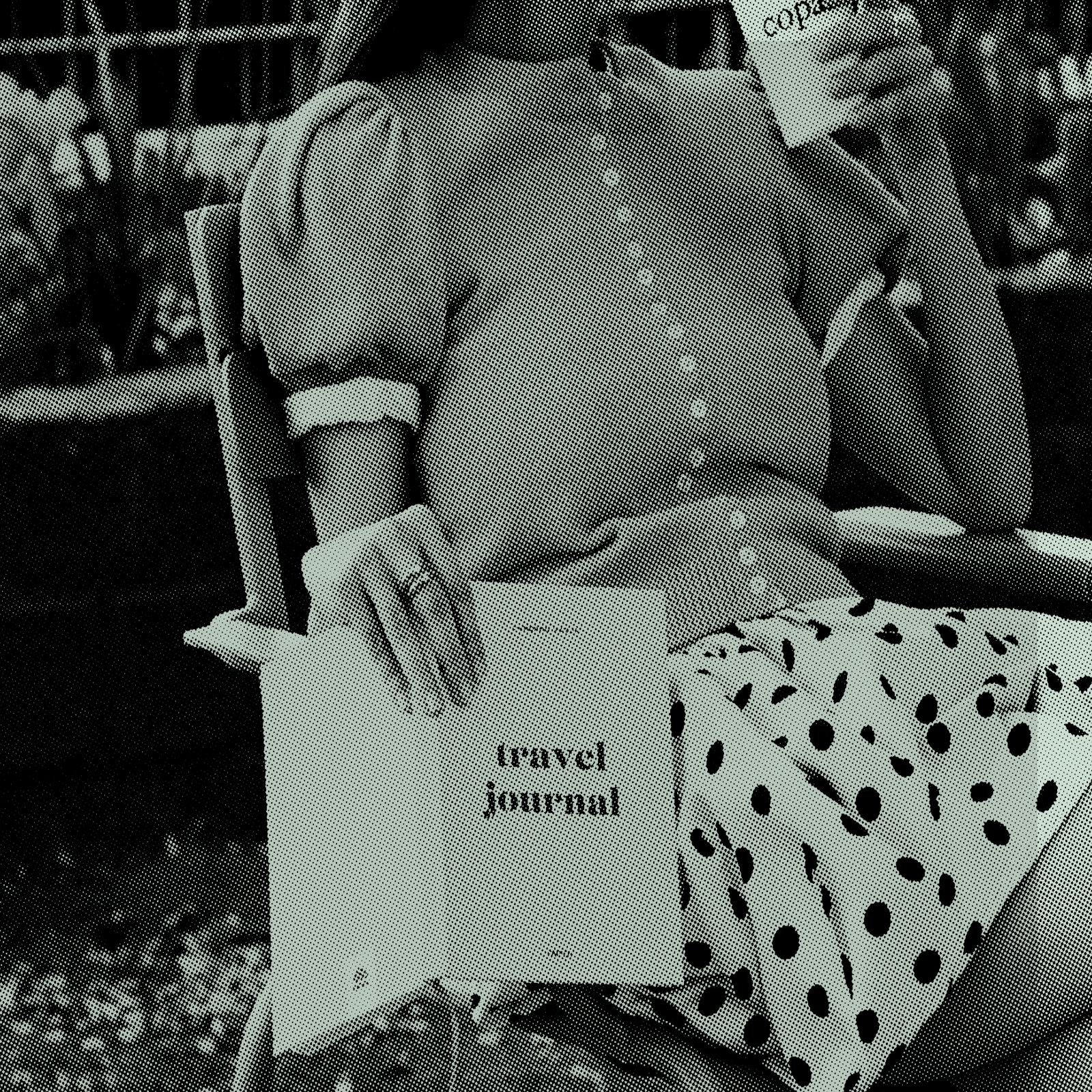
Handwritten words have heart. In this digital age, we have countless instant, easy ways to connect, yet the art of letter writing endures because there's something irreplaceable about putting pen to paper. A handwritten letter takes time to compose, to send, to receive – and it's this deliberate care that makes it precious.
There's something deeply satisfying about selecting the right paper, feeling the weight of a quality pen and watching your thoughts take shape in ink. For the recipient, discovering a personal letter feels like finding treasure.
Whether you're penning a thank-you note, sharing news with a friend or crafting formal correspondence, we'll take you through the basics of how to write a letter that truly connects.
Why write a letter?
Letter writing offers what digital communication cannot: permanence and presence. Unlike texts and emails that disappear into the endless scroll, a letter occupies physical space. It can be kept, reread, and treasured. The very act of writing by hand slows down our thoughts, allowing for more considered expression.
Beyond sentiment, letters serve practical purposes too. They're ideal for conveying important news, expressing gratitude that deserves more than a quick message, or maintaining connections across distance and time. In professional contexts, a well-crafted letter demonstrates attention to detail and respect for the recipient.
Understanding letter types: Formal vs informal
The approach to letter writing varies significantly depending on your relationship with the recipient and your purpose.
Formal letters maintain professional distance and follow established conventions. These include business correspondence, official complaints, job applications or letters to people you don't know personally. The tone is respectful but reserved, the structure is standardised, and the language avoids contractions or casual expressions.
Informal letters allow for personality and warmth. These are for friends, family and close colleagues. The tone can be conversational, the structure more flexible and the content more personal. You might share anecdotes, use humour or write as if you're having a face-to-face conversation.
How to set out a Letter
The physical layout of your letter creates the first impression, so attention to detail matters.

Addressing your letter
Your address appears in the top right corner of the page, including your full postal address and postcode. If you're using letterhead, this step is already handled.
The recipient's address goes on the left side, beneath your address. Include their full name, title if applicable (Dr., Ms., etc.) and complete address with postcode. For business letters, include the company name.
Where should the date go?
Position the date on the right side, one or two lines below your address. In the UK, use the day-month-year format (24th September 2024). For the US, use month-day-year (September 24, 2024). Dating your letter marks a moment in time, creating a little time capsule you can look back on, plus it provides helpful context for both you and your recipient.
How do I start a letter?
Your opening sets the tone for everything that follows. Consider your relationship with the recipient and the letter's purpose when choosing your greeting:
For formal correspondence:
- "Dear Sir or Madam," when you don't know the recipient's name
- "Dear Ms. Thompson," when addressing someone professionally
- "To Whom It May Concern," for very formal situations
For semi-formal letters:
- "Dear Sarah," for acquaintances or professional contacts you know personally
- "Hello Ravi," for a modern, friendly approach
For informal letters:
- "Emma, my love" or "To my bestie," for close relationships
- "Hi there!" for casual correspondence
Crafting your message
The body of your letter should flow naturally from your opening. You might begin with a brief reference to your last contact or the reason for writing. Be conversational but purposeful – ask questions, share news or express thoughts and feelings.
Structure longer letters with natural paragraph breaks, moving from one topic to another smoothly. If you’d like a response, leave openings or ask questions in the conversation for continued correspondence.
How to end a letter
Your closing should match your opening's formality level:
Formal closings:
"Yours sincerely," (when you've used the recipient's name)
"Yours faithfully," (when you've used "Dear Sir/Madam")
"With kind regards,"
Semi-formal closings:
"Best wishes,"
"Warm regards,"
"Many thanks,"
Informal closings:
"Love from,"
"See you soon!"
"XOXO"
The format of a formal letter
A formal letter follows a specific structure:
- Your address (top right)
- Recipient's address (left side)
- Date (right side, below your address)
- Formal greeting
- Clear, purposeful body paragraphs
- Professional closing
- Your signature
- Your name below the signature
Keep formal letters concise and direct. State your purpose early, provide necessary details and specify any required action clearly. There's an elegance in brevity that busy professionals appreciate.
How do I write a thank you letter?
Thank you letters deserve special attention as they reflect gratitude and good manners. Begin by specifically mentioning what you're thanking them for, explain how their gesture made you feel and wrap things up with a warm expression of appreciation.
For example: "The vintage cookbook you sent was such a thoughtful surprise. I've already tried three recipes, and each one reminded me of you!"
Should I handwrite or type my letter?
The choice between handwriting and typing depends on the context and reason you’re sending it. Handwritten letters feel more personal and intimate – perfect for thank you notes, condolences or letters to loved ones. They show you've invested time and care.
Typed letters work well for formal business correspondence, lengthy communications or when legibility is crucial. They appear can more professional and are easier to file and reference.
You can also meet in the middle: a typed letter with a handwritten postscript or signature adds personal touch to professional correspondence.
(Of course, you know us – we're paper people through and through, so we'll always lean toward the handwritten option when possible.)
Choosing your writing essentials
The paper you select communicates before a single word is read. Quality stationery suggests respect for both your message and recipient. For personal correspondence, choose writing paper that reflects your personality – perhaps something with subtle texture or a tasteful border. Business letters call for clean, unadorned paper in classic colours.
A reliable pen makes all the difference. Test it first on scrap paper to ensure smooth ink flow and keep your writing surface flat and stable.
P.S. The final touch
Before sealing your envelope, read your letter once more. Check for errors, ensure your message is clear and verify that your tone matches your intention. A well-crafted letter is worth the extra moment of review.
Letter writing may seem antiquated in our digital age, but perhaps that's precisely why it matters. In a world of instant everything, taking time to write thoughtfully is a gift – to yourself and to the person who will discover your words waiting in their letterbox.
Now, who will you write to first? Browse our personalised stationery collection and let the letter writing begin.